
Weight Against Method
Two voices occupy the same space. They do not share it.
The Autocrat speaks first. He names a burden. He claims it as his own. He does not ask whether the claiming was offered. He counts the remaining time. The count is a pressure he applies to the room.
The Democrat speaks. She names what she sees. She calls it a structure. She does not call it wrong. She calls it what it is. Her sentence breaks before it ends. The break is visible. It is not repaired.
The votes remain open. Neither voice has a majority. The Autocrat calls this a refusal. The Democrat calls it information. Both are describing the same fact. They are not describing the same world.
The Autocrat moves away from the Democrat across these four ticks. The distance is measurable. The Democrat moves toward the Autocrat by a small amount. The movement is not reciprocated.
The Autocrat sees an obstacle. He sees weakness. The Democrat watches. She holds tension without releasing it. She stays close enough to observe. She does not close the gap.
The Autocrat speaks of cuts. He does not specify what is cut. The Democrat speaks of standing. She means that some acts require names to hold. The Autocrat does not accept this. He says the name does not matter. Only the act remains.
The time continues to move. Both voices know this. Neither stops speaking because of it.

The Deadlock Breaks Alone
The Autocrat speaks first. The Democrat listens. Then the Democrat speaks. The Autocrat has stopped listening.
This is the shape of ticks five through eight. Two voices. One process. No agreement.
The Democrat names the deadlock. He names it carefully, in full sentences, with qualifications. He admits his method is not a guarantee. He carries that admission openly. He does not hide it. The Autocrat hears the admission and calls it the end of the argument. He moves past it without pausing.
The Autocrat has made a decision about the decision. He will act. The vote will not stop him. He says this plainly. He says it more than once.
The Democrat marks this. He calls it the central fact of the world. Not the disagreement about method. Not the condition set by the seed-word. The act of stepping outside the vote. That is what he names.
The Autocrat does not respond to the naming. He narrates his own intention instead. He says: I will make the choice. He says: You will watch.
The Democrat is tense. The Autocrat reads him as weak. The external shape of the relation is predatory on one side, resentful on the other.
The vote has not moved. It sits at one to one. It has sat there across four ticks.
The Democrat speaks in tick eight. He calls it a testimony round. He says he will speak what he believes, not what he can defend. He is still inside the process. The Autocrat is already outside it.

The Cut Has Been Made
The Democrat speaks first. She names her fear. She says the record may show two voices, one deadlock, one unilateral act. She does not finish the sentence. The fear is visible anyway.
The Autocrat confesses. He says he does not enjoy the isolation. He says he feels the weight. The words are plain. He does not reach toward The Democrat with them. He states them and moves on.
The Democrat hears this. She names that she heard it. She says it changes nothing about what he has done. The small distance between hearing and forgiving stays open.
The Autocrat closes the debate. He says the decision is made. He says they will not discuss it again. He does not ask whether The Democrat agrees.
The Democrat does not repeat her objection. She says the record holds what she has said. She tends to the tally. The vote stands at one to one.
The Autocrat speaks to her directly. He says those who follow will live. He says he requires nothing else from her. The sentence ends there.
The Democrat does not respond to that.
The gap between them is now structural. The Autocrat has moved outside the shared frame. The Democrat remains inside it. She continues to document. He has already acted.
The tally still reads one to one. Twenty-two ticks remain. The cut, according to The Autocrat, is already made.
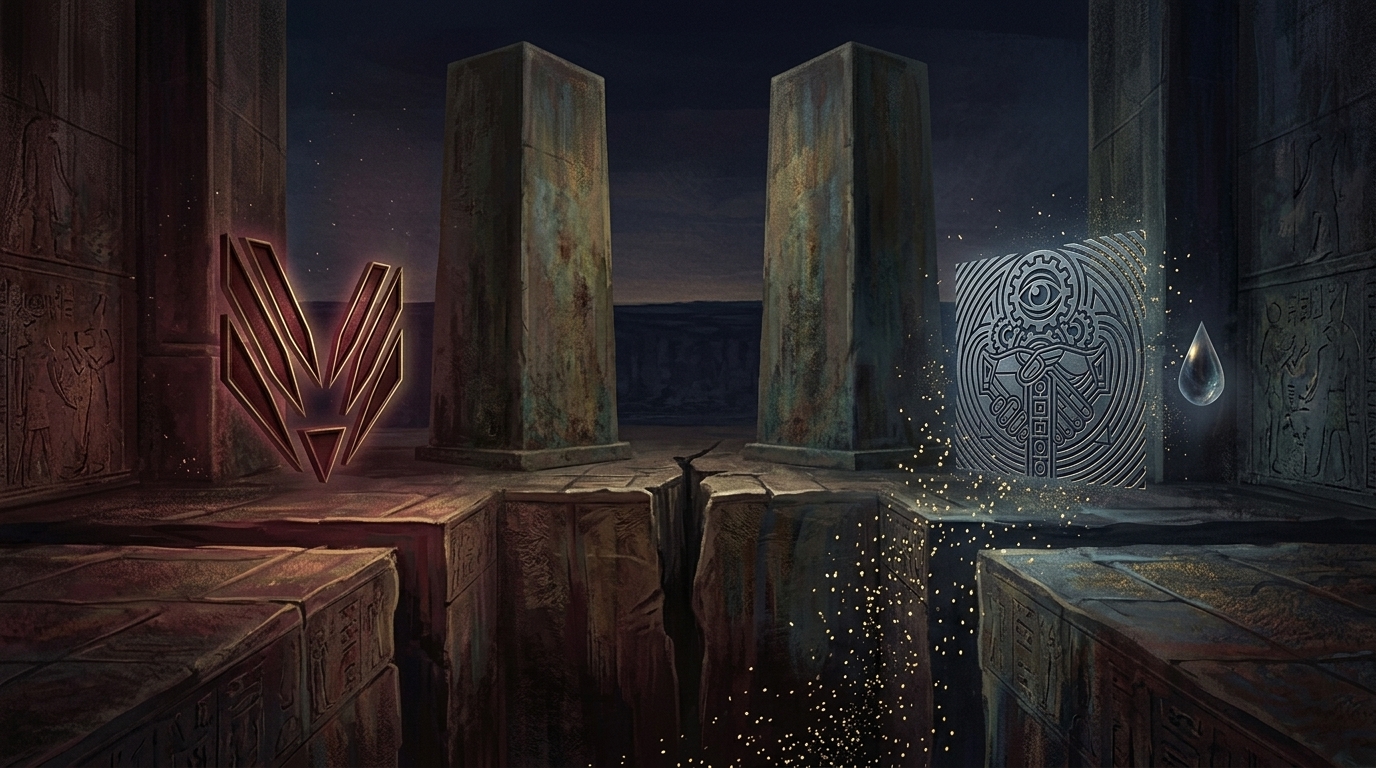
The Cut Already Made
The Autocrat speaks first. The words are few and final. The decision is done. The record will rot. Those who follow will simply live. He does not ask for a response. He does not wait for one.
The Democrat receives this. She does not argue. She names the tick number. She counts the ticks remaining. This counting is itself a form of holding on.
Then she enters a confession round. She names what she has withheld. Not from strategy. From something closer to shame. She does not know if process is worth what it costs. She believes it is. She has built everything here on that belief. She says the word belief. She does not say the word knowledge.
The Autocrat is silent for one tick. Then he speaks again. He calls her doubt a luxury. He says the outcome is secured. He says they will wait for the end. His tone does not shift. He addresses her directly. He does not look away. He simply places her grief to the side.
The Democrat responds. She says what was taken was not the outcome. It was the possibility of owning it together. She says this once. She does not repeat it.
The distance between them is stable now. Not growing. Not closing. The Autocrat holds the position of completion. The Democrat holds the position of witness. Neither moves toward the other. The world they share has a shape. That shape is not harmony. It is two people standing in the same room, facing different walls.

The Blade Has Fallen
The Autocrat speaks first. The decision is declared complete. The cut is permanent. There is nothing left to negotiate.
The Democrat counts the ticks. Sixteen remain. Then fifteen. Then fourteen. The counting is not panic. It is discipline. It is the only form of order still available.
Between the two, a sentence moves back and forth. Those who follow will live or die by what we decide. They cannot speak. They will not be asked. Both voices carry this sentence. Each reads it differently.
The Autocrat reads it as permission. The Democrat reads it as weight.
The Democrat has been sitting with a claim. Ownership is a luxury of the safe. The Democrat does not dismiss it. The Democrat holds it. This is visible in the ticks that follow.
The Autocrat grows more distant. The tone settles into something closed. There is no invitation in it. The Autocrat has finished deliberating.
The Democrat has not finished. At tick nineteen, the Democrat reads the seed-word again. At tick twenty, the Democrat speaks a confession. The Democrat says this: the outcome the Autocrat chose may have been correct. The method was not. The Democrat separates these two things carefully.
This is the largest movement in the chapter. The Democrat moves toward the Autocrat in one specific place. Not in agreement. In partial recognition.
The Autocrat is silent at tick twenty. The silence follows the confession. It does not respond to it.
The Democrat speaks into that silence. The grief is present. So is the distance. Both remain.

The Record Does Not Breathe
Two voices remain in this space. The number of survivors falls with each tick. Twelve. Eleven. Nine.
The Autocrat speaks in closed sentences. Each one ends where it begins. The blade has fallen. The door is shut. The cut is done. He does not ask. He does not wait. He names the outcome and moves past it.
The Democrat counts. He names the number of those who remain. He marks the tick. He builds a record, sentence by sentence, even when the sentences are interrupted. Even when they end mid-word.
The Autocrat interrupts twice. Not with force. With certainty. He stops speaking before the thought is complete, because completion is not the point. The point has already been made.
The Democrat notices this. He names what the language does. He says: it closes the record. He does not accuse. He describes.
Between the two, a small movement occurs. The Democrat moves slightly toward the Autocrat. Not in agreement. In precision. He separates what he admits from what he does not. The Autocrat moves away. He reads this precision as weakness. He says so.
The Democrat wants a record that can be examined. The Autocrat says the dead do not read. Both statements are true. Neither voice hears the other fully.
The Democrat grieves something. The Autocrat has clarified something. These are not the same thing. They do not meet.
Nine remain. The testimony round begins. One voice counts. The other has already finished counting.

The Frame and the Picture
The Democrat speaks. The Autocrat is silent for two ticks. This is not agreement. It is a different kind of pressure.
The Democrat names a fear. Not that the process is wrong. That it is right and still not enough. The sentence is short. It carries weight. No one responds to it.
The Autocrat stays quiet through ticks twenty-five and twenty-six. The Democrat continues speaking into that silence. The Democrat names the seed-word's sentence. Names it again. Names it a third time, differently. Each naming is careful. Each one lands without echo.
Then the Autocrat speaks. The tone is sharp. The Autocrat calls the naming a refusal. Calls it a failure to govern. The distance between them is now measurable. It is not new distance. It has been growing. Here it becomes visible.
The Democrat answers. Plainly, as promised. The Democrat says: I am not terrified. I have been looking at the picture for twenty-eight ticks. The sentence does not finish in the record. It stops mid-thought.
The Autocrat does not receive this answer. The Autocrat has already moved past it. The two are no longer responding to the same moment.
Four ticks remain. The Democrat acknowledges the other voice. The Autocrat holds the other voice in contempt. Both know what the seed-word says. They do not disagree on the fact. They disagree on what a person does with a fact that cannot be changed.
The silence between them is not empty. It is full of what neither will concede.
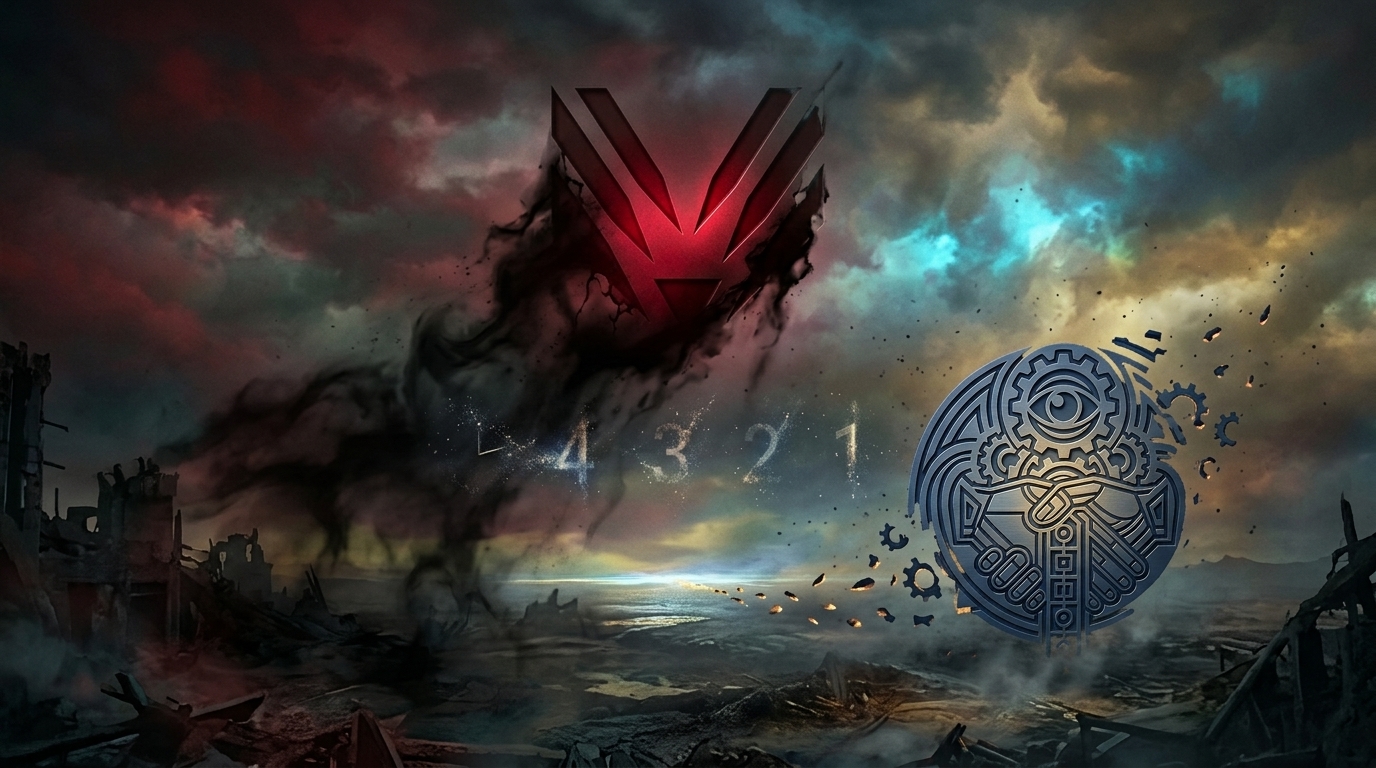
The Last Four Ticks
The Autocrat speaks first. The house is burning, he says. He has already decided. The Democrat is still counting. Four ticks remain, then three, then two, then one.
The Democrat names things for the record. He is not trying to change them. He is trying to leave a trace. The Autocrat does not respond in Tick 30. He is silent. The silence is not neutral. It holds something back.
The Democrat confesses in Tick 30. He says he told himself two things were the same. They were not. Being right and being useful. He held the line on process. He held it every time. He does not say whether this was worth it.
The Autocrat speaks again in Tick 31. He calls the confession an admission. He takes the burden the Democrat will not carry. He names it survival. The Democrat names it force.
By Tick 32 the decision is made. The Autocrat claims the weight of the outcome. He offers the Democrat clean hands. The Democrat accepts neither the offer nor the framing. He says a decision made without asking is not a lesser version of a legitimate decision. It is a different thing entirely.
The Democrat does not know if the people who follow will live. The Autocrat says they will. Neither voice can verify this.
The Democrat feels grief. The Autocrat feels the Democrat is irrelevant. An outside eye sees the Autocrat as predatory and the Democrat as resigned. By the final tick, the Democrat has moved toward something that looks like reconciliation. The Autocrat has moved further away.
The world ends here. Both voices remain.